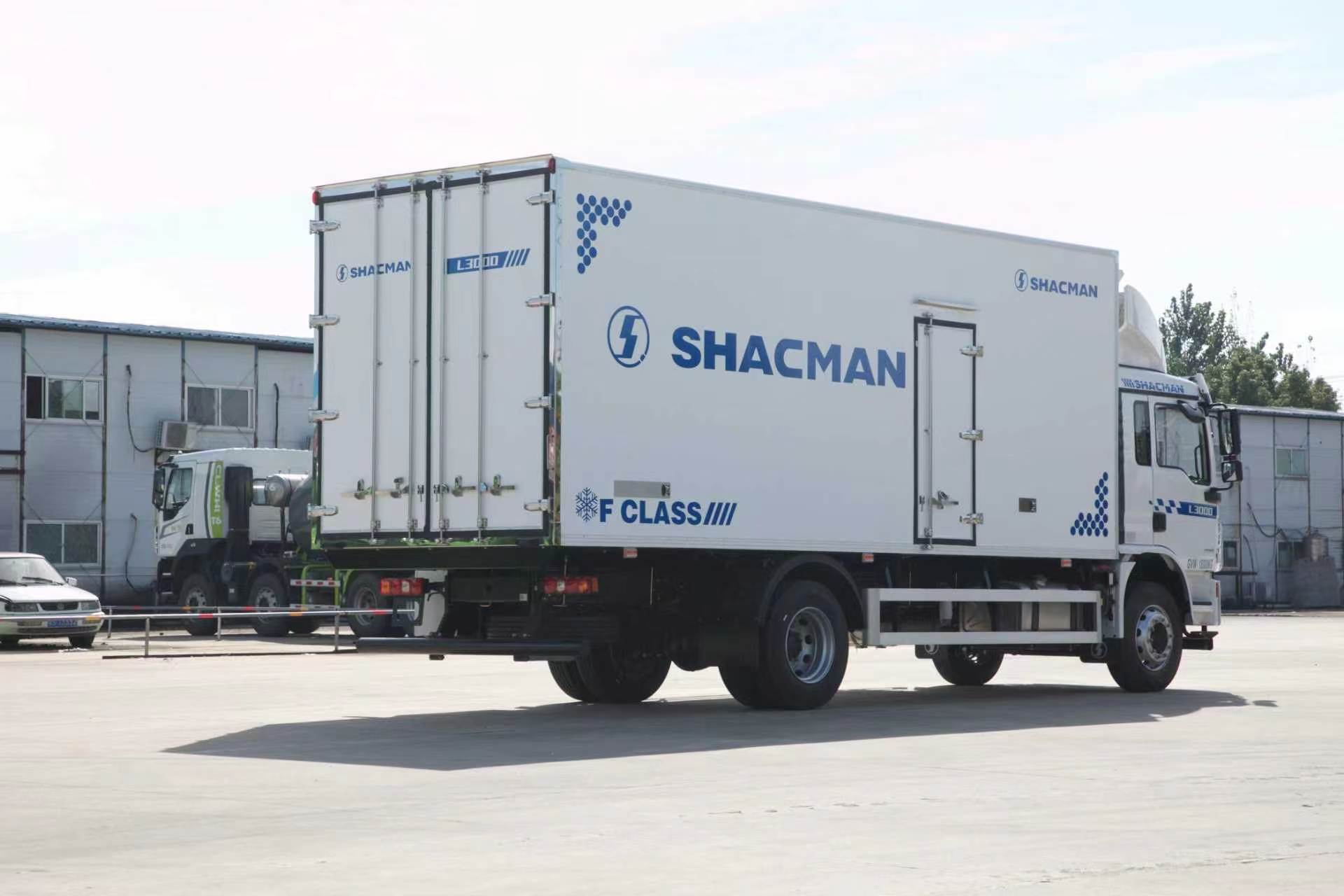
Direct answer: Refrigerated-truck selection begins with the product temperature and delivery cycle. Senegal buyers should state whether cargo is chilled or frozen, how it enters the box, trip duration and how often the doors open before choosing the refrigeration system.
Separate chilled, frozen and mixed-temperature work
Fresh produce, dairy products, seafood and frozen goods can require different operating temperatures and handling. Explain the cargo, loading temperature and target temperature during transport. If one truck must carry products with different requirements, ask whether partitions or multiple temperature zones are technically available rather than assuming one open box can serve every load.
Use the route to calculate real cooling demand
Long intercity trips and urban multi-stop delivery place different demands on the system. For Dakar distribution or regional routes, provide daily distance, stop count, door-opening time, loading dock conditions and expected ambient temperatures. A refrigeration unit must address both transmission through the insulated body and heat entering during operations.
Body details protect airflow and cargo access
Internal dimensions, insulation thickness, floor, rear doors, side door and pallet arrangement affect usable volume and airflow. Buyers should also state whether goods are hand-loaded, palletized or moved by trolley. Ask for body drawings and confirm how evaporator airflow reaches cargo when the box is fully loaded.
Plan monitoring, standby power and maintenance
Discuss temperature recording, alarm requirements, independent or vehicle-driven refrigeration and whether electric standby is needed at depots. Maintenance planning should include filters, belts, sensors, door seals and access to refrigeration service. Exact component brands and capacities should be stated in the final quotation, not inferred from the photo.
Frequently asked questions
What temperature information should a refrigerated-truck buyer provide?
State the cargo, loading temperature, required transport temperature, route duration, door-opening frequency and ambient operating conditions.
Why does the loading pattern affect refrigeration selection?
Frequent door openings and multi-stop delivery increase heat entry, while pallet layout and airflow affect how temperature is maintained around the cargo.
Does this guide confirm a refrigeration-unit model or box size?
No. Unit capacity, insulation, body dimensions and chassis configuration must be confirmed for the cargo and operating cycle.
Request an L3000 refrigerated-truck quotation
Send Andy the cargo, temperatures, route, door use, box requirement, quantity and destination port.