Direct answer: Do not choose a dump body from its volume alone. First define the material and legal payload, then confirm body dimensions, steel specification, reinforcement, hoist, subframe and tailgate as one system with the truck chassis.
1. Start with the material, not a generic tonnage claim
Sand, soil, aggregate and rock have different density, abrasion and impact. Send the material name, approximate density, maximum particle size and whether loading is by excavator or wheel loader. These inputs determine whether the body needs more impact resistance, abrasion protection or a different shape.
2. Match body dimensions to legal payload
A larger body is not automatically more productive. The body volume must be checked against material density, axle-load limits, gross vehicle weight, route restrictions and the final chassis specification. Ask for dimensions and estimated body weight in writing before production.
3. Confirm the complete body specification
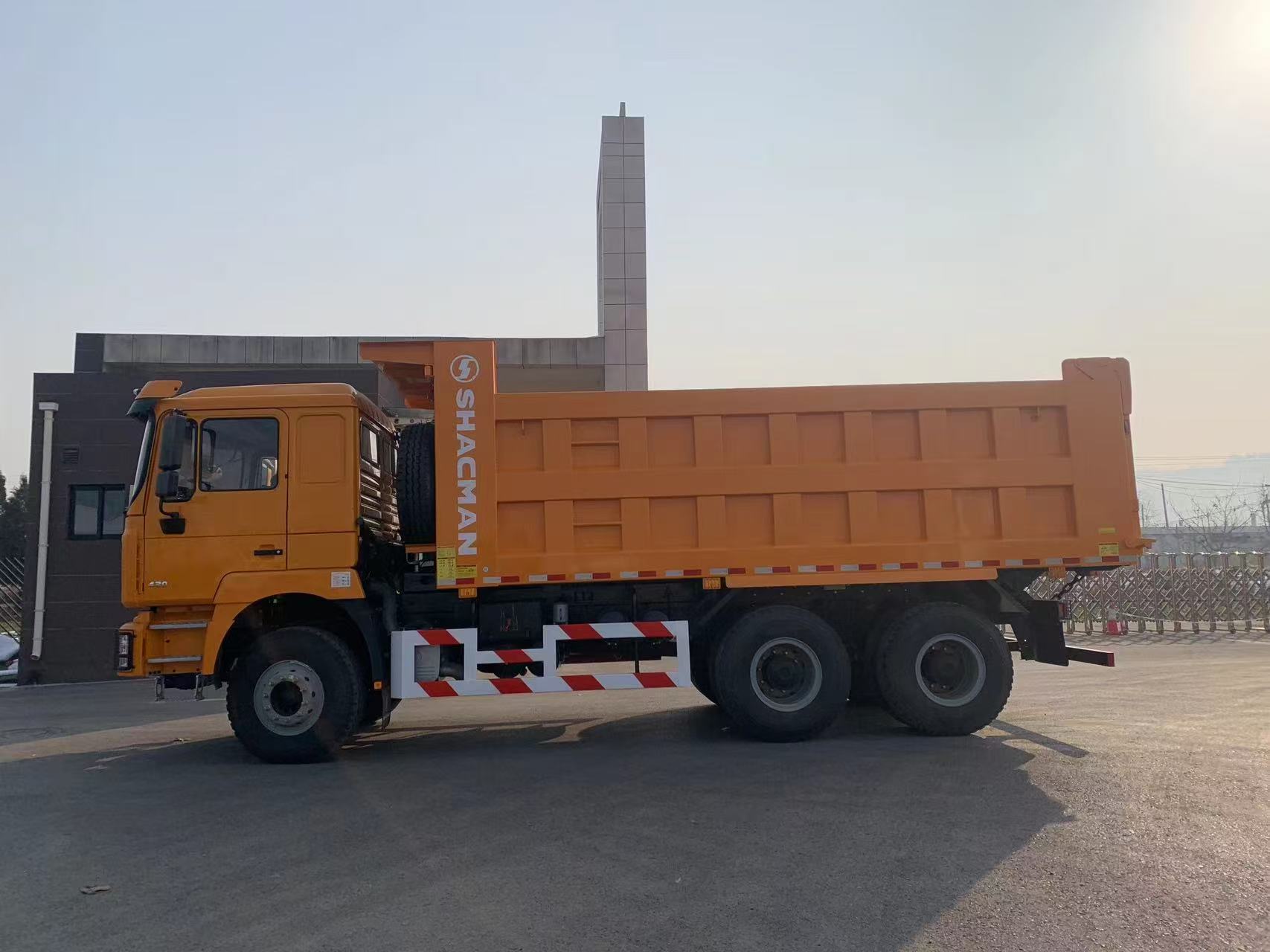
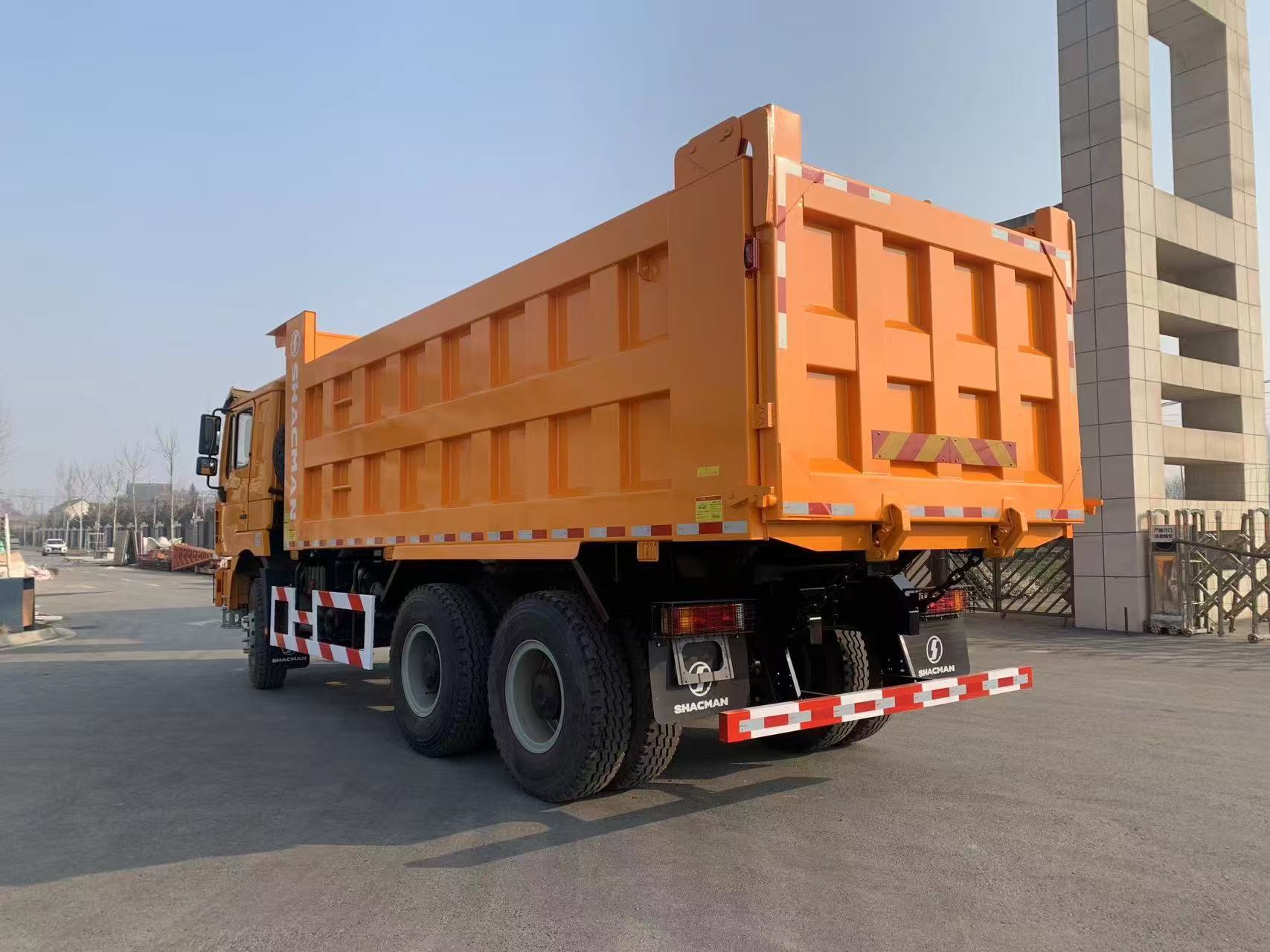
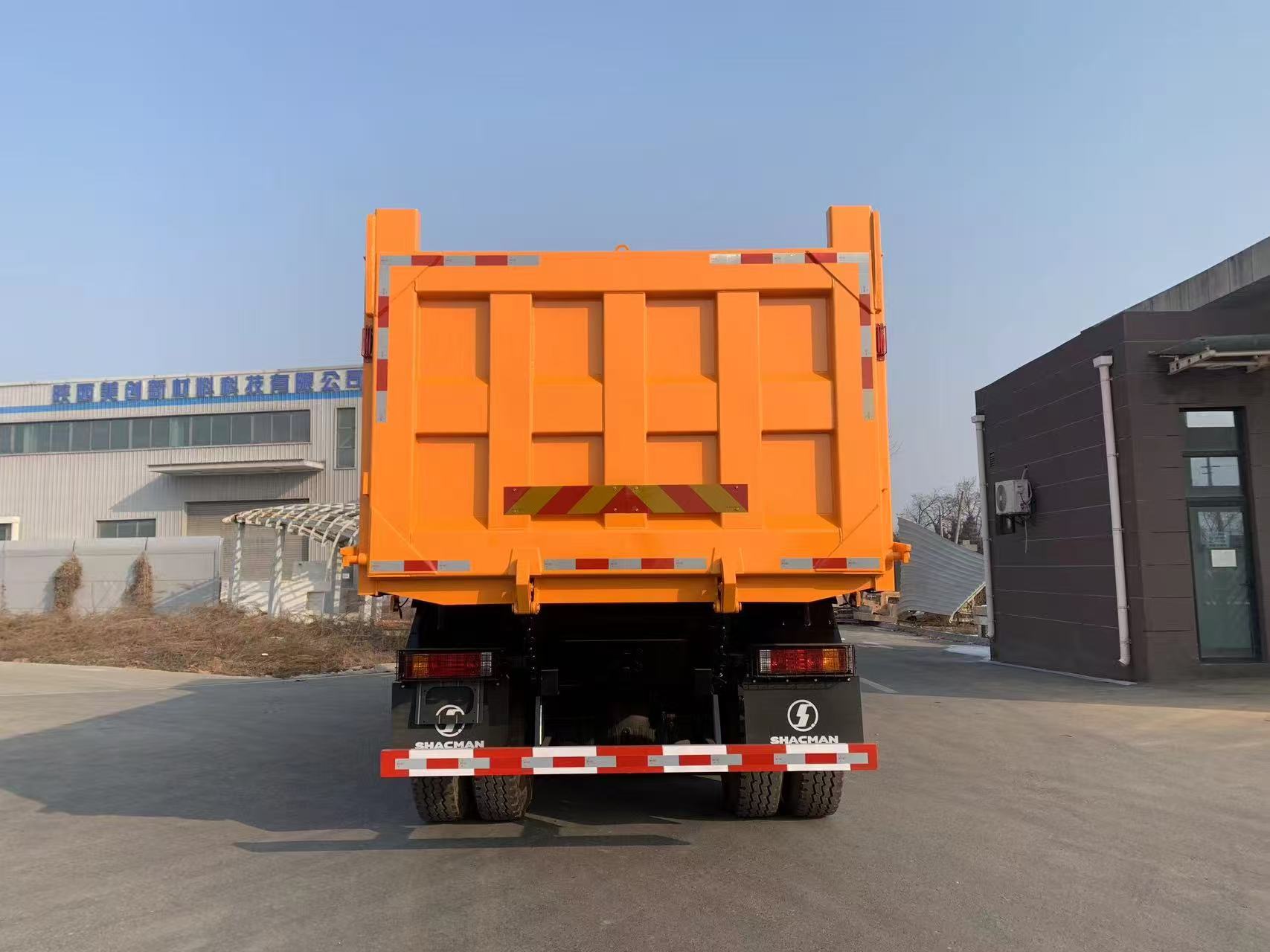
The side and rear photos show a rectangular body with external reinforcement and a top-hinged rear tailgate. Photos do not prove the steel grade, floor thickness, side thickness, internal structure or welding standard. These items belong in the signed technical offer.
4. Review hoist, subframe and unloading conditions
Confirm the hoist brand and model, rated capacity, tipping angle, power take-off arrangement and subframe construction. Tell the supplier whether unloading takes place on level compacted ground or on a constrained site. Safe tipping depends on the complete system and operating surface, not the body alone.
5. Freeze the specification before shipment
The pre-shipment checklist should compare the finished unit with the contract: vehicle identification, engine and transmission tags, axles, tyres, body dimensions, steel specification, reinforcement, hoist, tailgate locks, tools, documents and agreed accessories.
- destination country, port, steering position and quantity;
- material, density, particle size and target legal payload;
- road surface, daily distance, maximum grade and work shifts;
- loading equipment and unloading conditions;
- required body dimensions, steel requirement and optional equipment.
What these real photos confirm—and what they do not
These supplier-provided photos confirm an orange SHACMAN F3000 6x4 dump truck with a rectangular reinforced body. They do not confirm the engine model, transmission, axle ratio, legal payload, exact body dimensions or steel thickness. Those values must match the final quotation and contract.
Frequently asked questions
Do the photos confirm the engine and payload?
No. They confirm the vehicle family and visible body design only.
What cargo information is needed?
Material, density, particle size, abrasion and impact level, target legal payload, loading equipment and unloading conditions.
Should body volume be selected first?
No. Select it together with material density, legal limits and the final chassis specification.
What must be checked before shipment?
Check the signed body and chassis specification against the completed vehicle and inspection evidence.
Review the SHACMAN F3000 6x4 dump truck product page or compare SHACMAN 6x4 and 8x4 dump truck options.
Request an F3000 6x4 configuration and quotation
Send your cargo, route, payload target, destination and quantity. We will confirm the applicable configuration in writing.